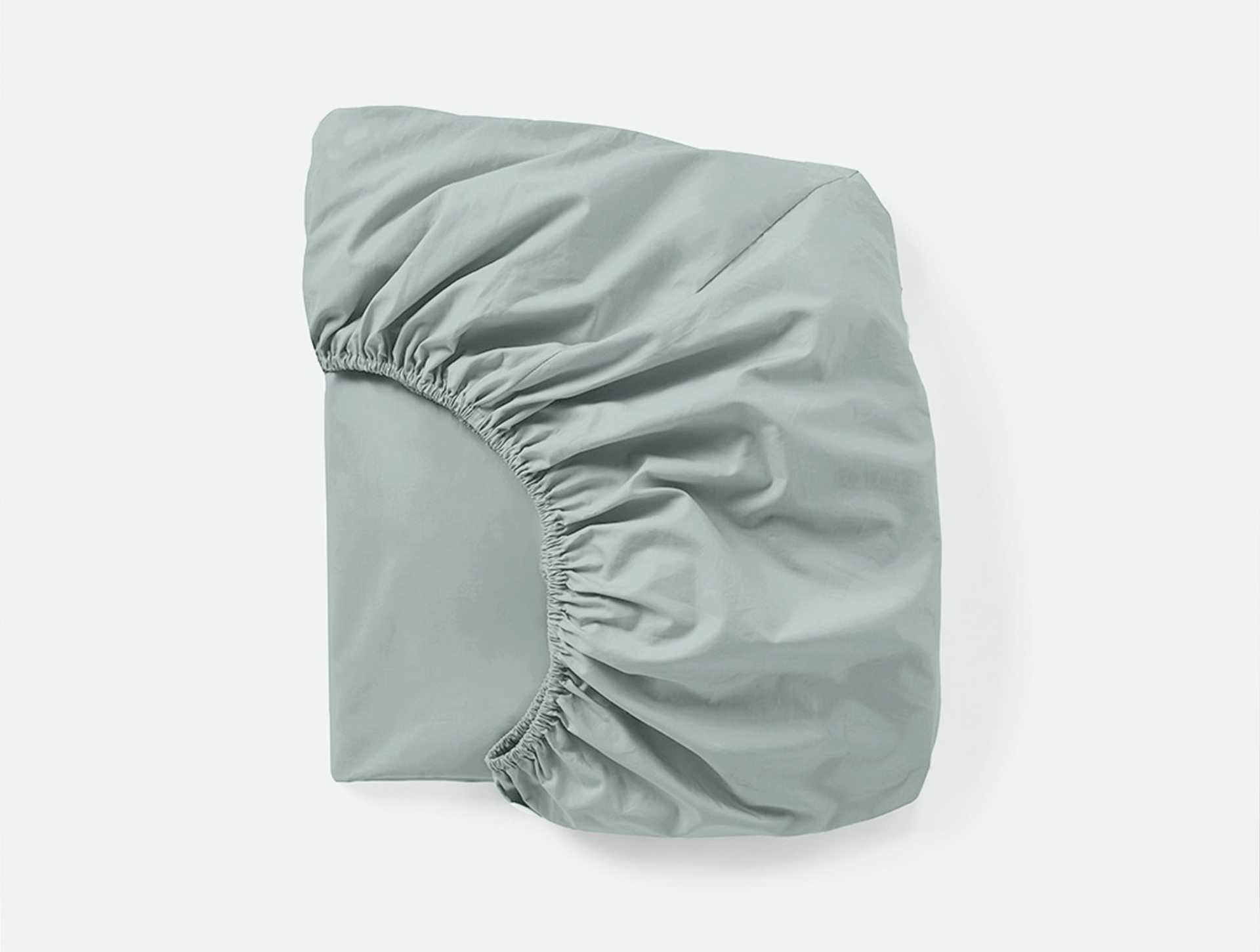
Refined Organic Percale Fitted Sheet

A Practical Guide to HEPA vs. Activated Carbon: Choosing Filtration for Indoor Air

Understand the differences between HEPA and activated carbon filtration, including what they remove best and where they excel. This guide helps homeowners choose the right combination for cleaner indoor air and healthier living spaces.

Introduction: Two Filtration Philosophies

In the quiet ritual of tidying a bedroom or organizing a living room, there is a science that often remains invisible: filtration. When air travels from room to room, it carries with it a spectrum of particles, odors, gases, and volatile compounds. Two filtration technologies stand at the center of modern indoor air strategies: HEPA (high-efficiency particulate air) and activated carbon. Each has its own vocation, its own strengths, and its own limits. The question for a thoughtful homeowner is not which one is better in absolute terms, but how to compose a purification approach that respects the specific culprits in a given space.

HEPA is celebrated for its almost surgical precision against particles. It traps particles as small as 0.3 microns with astonishing efficiency, and it does so without relying on fragrance or scent manipulation. Activated carbon, by contrast, is the scavenger of odors and chemical pollutants. It has a taste for volatile organic compounds (VOCs), smoke, cooking smells, and the diffuse irritants that clamor for a quiet life in a closed room.

Taken together, HEPA and activated carbon form a complementary duet. Through careful layering—HEPA to capture particles, carbon to adsorb gases—you can craft a breathing space that feels not merely cleaner, but more precisely tailored to the daily rhythms of a home.
Three key concepts you’ll encounter

  • Particle filtration: HEPA filters excel at trapping fine particles, including dust, pollen, mold spores, and smoke particulates. They reduce what you can see and smell in the air, especially in bedrooms, living rooms, and offices where people spend hours each day.
  • Gas and odor filtration: Activated carbon excels at adsorbing VOCs, odors, and chemical irritants. It does not remove most particles; its power lies in neutralizing the substances that contribute to stuffy rooms and eye irritation.
  • Hybrid approaches: In many category-leading purifiers, designers combine a true HEPA stage with activated carbon, sometimes supplemented by prefilters and specialized media. The result is a system capable of addressing both particulate and gaseous pollutants in a single unit.

How HEPA works and where it shines

A HEPA filter acts like a sieve for particles. It is designed to capture at least 99.97% of particles that are 0.3 microns in diameter. That size is a useful proxy for many common indoor pollutants: pollen, dust mite droppings, tobacco smoke particulates, and even many bacterial aerosols.

HEPA’s strength lies in its consistency. When you run a purifier with a true HEPA media in a room with moderate occupancy and standard traffic, you can feel the difference in air freshness and respiratory ease, especially for sensitive occupants—children, elders, or those with seasonal allergies. It is the backbone of most high-performance air purifiers and a reliable workhorse for daily air cleaning.

Activated carbon: the scent of cleaner air

Activated carbon removes odors, fragrances, and gaseous pollutants. Its porous structure provides an enormous surface area that can absorb molecules like VOCs released from paints, cleaning products, cooking, and building materials. It is indispensable in kitchens and rooms where fragrances linger, or where smoke and chemical exposure are a concern.

However, activated carbon has its limits. It does not filter out fine particulates effectively on its own, and its adsorption capacity can saturate, requiring replacement or regeneration of the media. The best outcomes arise when carbon is paired with a particle-filtering stage, ensuring a cleaner air landscape across multiple pollutant types.

Practical scenarios: room-by-room decisions

Bedroom: prioritize a hybrid purifier with HEPA for allergens and carbon for odors. A quiet unit with a true HEPA filter helps reduce pollen and dust, while activated carbon mitigates cooking smells or cigarette smoke from neighboring units.

Living room: a larger space can benefit from a purifier with both media. The carbon layer helps manage odors from cooking, pets, or outdoor pollution that infiltrates the room’s air. Pairing this with a robust HEPA stage helps keep visible particulates down, creating a more breathable social space.

Kitchen and home office: balancing performance and upkeep

In kitchens, odors can travel. A purifier with a carbon stage can keep smells at bay, while a strong particulate filter helps catch smoke or steam. In a home office, cleaner air translates to clearer thinking and fewer irritants from printers, cleaning solvents, or outdoor air entry.

Maintenance matters: carbon media requires replacement when its adsorption capacity nears saturation. HEPA filters also require periodic replacement or cleaning per manufacturer instructions. A well-designed hybrid system serves as a practical, long-term investment in a healthier indoor environment.

Three historical voices, three lenses on purification

From the annals of science and literature, purification has been a theme that travels through time: a practical problem, a moral metaphor, and a scientific inquiry.

  • Louis Pasteur (19th century): The father of germ theory, Pasteur’s experiments and insistence on sterilization and filtration echo in today’s HEPA standards. His insistence on controlling contamination through physical barriers and chemical processes resonates in modern clean-room design and consumer purifiers alike.
  • Rachel Carson (20th century): In Silent Spring, Carson’s call to reduce environmental toxins foreshadows the modern concern with indoor air quality. Her work reframed purification as a public-health imperative—one that invites daily decisions about materials, ventilation, and the air we breathe inside the home.
  • Carl Sagan (20th century): The advocate of scientific curiosity, Sagan’s lucid elucidations of measurement, probability, and the scientific method offer a template for how to talk about filtration: quantify what matters, explain the mechanisms, and admit limits. His voice invites readers to approach air purification with both humility and rigor.

Three contemporary voices, three practical guides

  • Dr. Maria Chen (contemporary air-quality scientist): Advocates for evidence-based filtration strategies, emphasizing the synergy between HEPA and carbon media in varied indoor environments.
  • Alex Rivera (green-design advocate): Highlights the role of architecture and furniture in indoor air quality, underscoring how textiles, finishes, and even bedding intersect with filtration performance.
  • Priya Nair (public-health communications): Focuses on accessible, clear information for homeowners, translating complex filtration science into actionable steps and consumer-friendly maintenance schedules.

Hybrid systems in practice: a case study

Consider Bedroom Machine and HealthMate, two category-leading purifiers that illustrate a pragmatic approach to indoor air. The Bedroom Machine prioritizes robust particulate filtration, a multi-stage system that can include HEPA-grade media with supplemental carbon components to address odors and gases. The HealthMate emphasizes a combination of high-efficiency filtration with a carbon backbone, delivering a balance of particle clean-up and gas reduction. In real rooms, these units work in tandem with ventilation and mindful cleaning routines to create an environment where the air feels different—less burdensome, more breathable.

For readers curious about product recommendations, the Refined Organic Percale Fitted Sheet from Coyuchi offers a tactile sense of how bedding materials interact with a purified air space. Its GOTS-certified organic cotton surface, crisp percale weave, and plant-based finishing provide a soft counterpoint to the technology of air purification—an example of how textiles can complement filtration in a holistic sleeping environment.

Choosing the right combination for your home

Guided by room size, occupancy, and existing sources of pollution, a homeowner might opt for a hybrid approach that layers HEPA filtration with activated carbon. In bedrooms, a compact purifier with a quiet HEPA stage and discrete carbon filtration can reduce pollen and odors without becoming a focal point of the room. In kitchens or living rooms, a larger unit that harmonizes carbon media with HEPA efficiency can tackle both cooking smells and airborne particulates.

Maintenance is the other half of the equation. Carbon media has a finite capacity; filters must be replaced or regenerated as directed. HEPA filters, likewise, reach the end of their life and need replacement to sustain performance. A thoughtful maintenance schedule—documented in a home care routine—ensures consistent air quality year after year.

Product highlight: Refined Organic Percale Fitted Sheet

A tangible reminder that air quality is not only about what filters purify the air, but also about the environments in which we sleep and live. The Refined Organic Percale Fitted Sheet is a Coyuchi product—GOTS-certified, 100% organic cotton, grown and woven in India, finished with Coyuchi's proprietary spinning and weaving process. It offers a cool, crisp feel that remains comfortable through the night, aligning with the idea of a purifier-driven home where textiles contribute to overall cleanliness and calm.

Care instructions emphasize easy care and sustainability: machine wash cold, tumble dry low, and avoid harsh detergents. The product’s packaging and plant-based softener reflect an ethos of responsible production that resonates with readers who value clean air and responsible consumption.

Refined Organic Percale Fitted Sheet

Note: The product highlighted above exemplifies how a high-quality textile complements a clean-air strategy, rather than competing with filtration technology. It represents the broader theme of purifiers.co: a holistic approach to purification and cleanliness.

In sum, the HEPA vs. activated carbon debate is not a battle but a duet. A well-considered combination, tailored to the textures of your home life—bed linens that feel cool to the touch, devices that scrub particulates and odors from the air, and routines that keep filters clean and effective—creates a living space that breathes with a clarity worthy of its own quiet prose. This is the essence of a practical filtration philosophy: you don’t just purify air; you design a life around the air you want to live in.

Related Products

Refined Organic Percale Fitted Sheet

Coyuchi

Refined Organic Percale Fitted Sheet

Experience cool, breathable comfort every night with a durable, soft percale fitted sheet crafted from 100% organic cotton. GOTS-certified, plant-based finish, easy cold-wash care, and long-lasting structure for crisp, smooth nights.
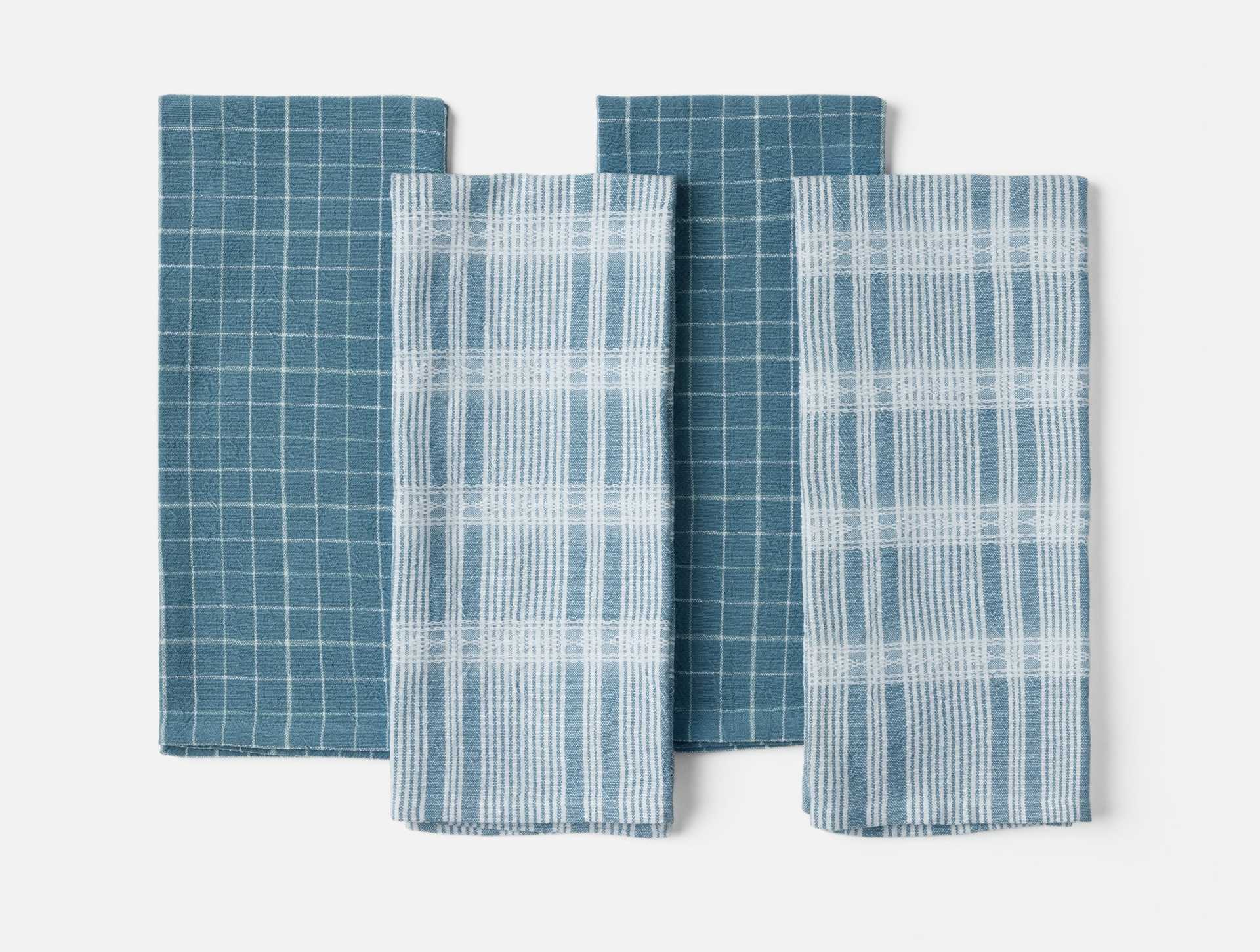
Clarendon Organic Kitchen Towels, Set of 4

Coyuchi

Clarendon Organic Kitchen Towels, Set of 4

Soft, absorbent 100% organic cotton towels built to last, with stylish dobby stripes and windowpane plaids. GOTS and Fair Trade certified for responsible sourcing, plus easy hanging and machine-washable convenience for everyday kitchen use. Set of four.
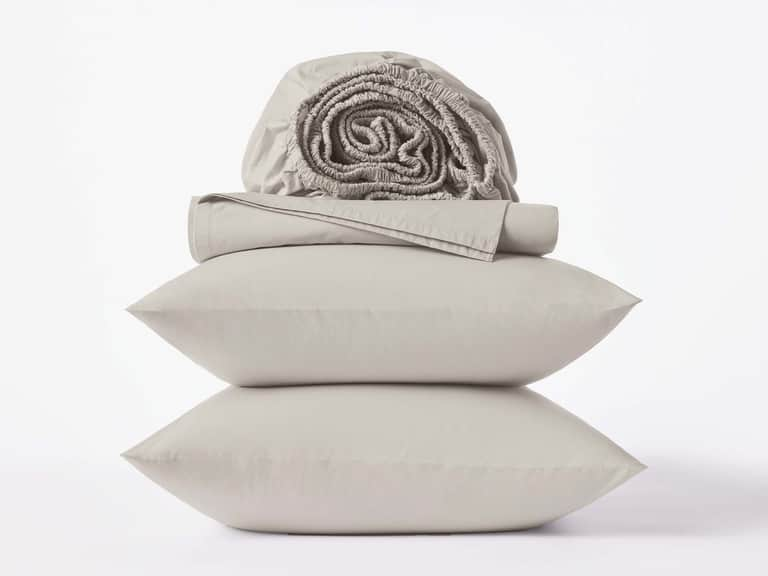
Refined Organic Percale Sheet Set

Coyuchi

Refined Organic Percale Sheet Set

Sleep cool and effortlessly luxurious with breathable, long-lasting organic cotton percale; soft plant-based finish, easy care, and durable pockets—crafted in India for everyday comfort and responsible, eco-friendly use.

Theme